 |
| The Local Time is Friday, 19-Apr-2024 15:13:27 CEST |
Sir Baptist Hicks at |
|
|||
| YOU ARE HERE: Main Home Page > Famous People > Sir Baptist Hicks |

|
|
|
|

Sir Baptist Hicks
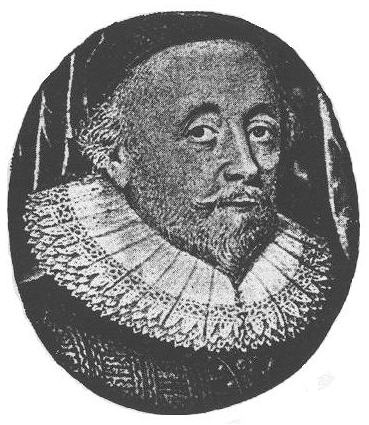
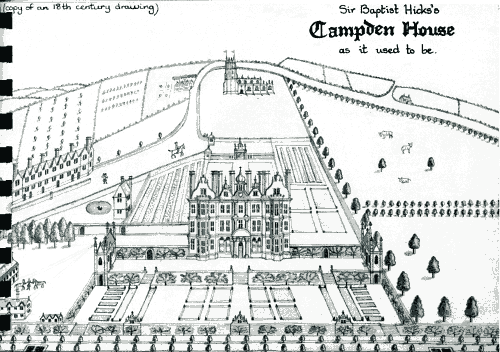
Baptist Hicks (1551 - 1629) Baptist Hicks, 1st Viscount Campden (1551 – 18 October 1629) was an English merchant and politician who sat in the House of Commons between 1621 and 1628. King James I knighted Hicks in 1603 and in 1620 he was created a baronet. At the time of the Civil war his own house (Campden House) was burnt down rather than allow it to fall into the hands of the Parliamentary forces. A philanthropist, he was responsible for many of
the fine buildings in Campden including the famed Wool Market Hall,
which is known the world over. He was also responsible for the
erection of the Almshouses, his generosity to the town was almost
without bounds. A Brief History of his Chipping Campden Connections Some time after 1608 he acquired the manor of Chipping Campden, in Gloucestershire, from which he afterwards took his title. There he built another magnificent house, which is said to have occupied with its offices eight acres of ground, and to have cost £29,000. "A very capacious dome issued from the roof, which was regularly illuminated for the direction of travellers during the night." This costly pile his grandson the third Lord Campden, (buried with his lady at Exton, under a splendid monument by Grinling Gibbons), deliberately sacrificed to his loyalty in the English Civil Wars, and ordered (speculation) it to be burnt down lest it should be garrisoned by the Parliamentary forces.
At Chipping Campden, a list of his favours preserved there, he built a Market Hall, which cost £90, and Almshouses for six poor men and six poor women at a cost of £1,000, maintaining the inmates during his lifetime, and then settling £140 a year on the almshouses for ever. He also bequeathed £500 to the poor of Campden. He roofed the chancel, which cost £200, built a gallery, which cost £80, made a window, which cost £13, walled the churchyard, which cost £150, and gave a bell, which cost £66. (fn. 16) He gave also a pulpit cloth and cushion worth £22, a "brass faulcon," which cost £26, two communion cups which cost £21, and made many other benefactions. Lord Campden was buried in St James Church (Chipping Campden) beneath a stately monument erected by his widow, who survived him some fourteen years, and now lies beside him. The epitaph which she inscribed on it is truer than many when it speaks of him as her "dearest and deceased Husband, Lord Hickes, Viscount Campden, born of a worthy Family in the City of London. Who by the Blessing of GOD on his "ingenious Endeavours" arose to an ample Estate and to the foresaid degrees of Honour. And out of those Blessings disposed to Charitable Uses, in his Lifetime, a large Portion, to the value of £10,000.. Who lived religiously, virtuously, and generously, to the Age of Seventy eight Years, and died October the 18th, 1629." There follows an epitaph upon Lady Campden, and these lines, which, though often quoted, are worth quoting once more. Reader, know, Whoe'er thou be, Here lie Faith, Hope, and Charitie; The Gatehouse and two Banqueting Houses or pavilions remain to be seen in Chipping Campden together with some ruins of the house, beside the Church of St. James. Lady Juliana Noel, Sir Baptist’s daughter, heir and widow of Edward Noel, second Viscount Campden, lived afterwards in the converted stables, now called The Court in Calf Lane where her descendant still lives to this day. 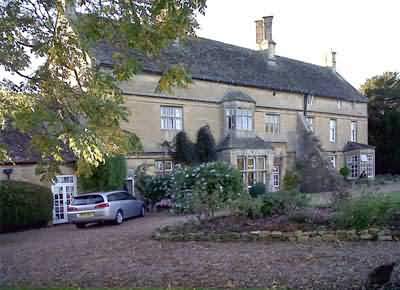 The Court - Converted stables to the Hicks House dating back to the early 1600s Sir Baptist Hicks is connected to the strange tale of The Campden Wonder. English Civil WarsThe English Civil Wars consisted of a series of armed conflicts and political machinations that took place between Parliamentarians and Royalists between 1642 and 1651. The first (1642–1646) and second (1648–1649) civil wars pitted the supporters of King Charles I against the supporters of the Long Parliament, while the third war (1649–1651) saw fighting between supporters of King Charles II and supporters of the Rump Parliament. The Civil War ended with the Parliamentary victory at the Battle of Worcester on 3 September 1651. Also see the Civil War Battle at Stow-on-the-Wold. See also The History of Bourton-on-the-Water. | ||||||||||||||||||||||||||||||||||||||||||||||||||||||||
|
||||||||||||||||||||||||||||||||||||||||||||||||||||||||
Baptist Hicks at Chipping Campden |
||||||||||||||||||||||||||||||||||||||||||||||||||||||||
| This page last modified Monday, 24-Jul-2023 11:24:39 CEST | ||||||||||||||||||||||||||||||||||||||||||||||||||||||||
Cotswolds.Info LLP, 6 Cedar Shade, All Saints Road, Sidmouth, Devon, England UK EX10 8EU Managing Partner, Richard Pinder, E-Mail richard.pinder@cotswolds.info
Please Note: We do not supply Cotswold Holiday brochures - contact the local Contact Us About Us Site Index Advertising Opportunities This website is designed and managed by www.cotswolds.info Copyright © 2002 to 2023 All rights reserved |
||||||||||||||||||||||||||||||||||||||||||||||||||||||||