 |
| The Local Time is Saturday, 27-Apr-2024 15:13:08 CEST |
Chipping Sodbury Tourist Information & Travel Guide |
|
|||
| YOU ARE HERE: Main Home Page > Places to Visit > Chipping Sodbury |

|
|
|
|

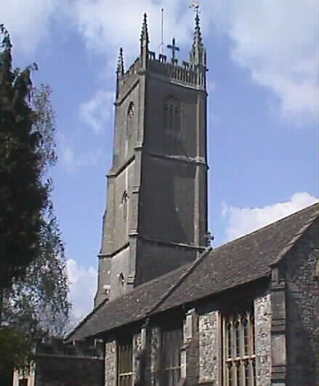
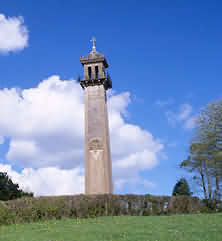
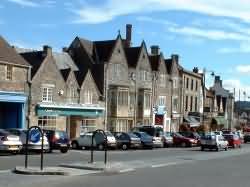
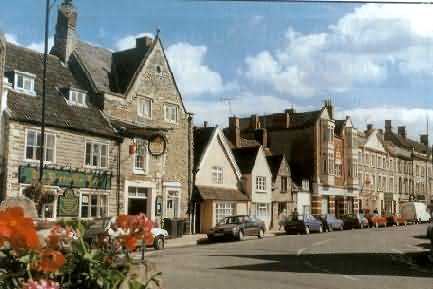
Chipping Sodbury Tourist Information Guide including Little Sodbury, Great Badminton & SherstonChipping Sodbury lies at the foot of the southern Cotswold escarpment below Dodington Park in southern Gloucestershire 8 miles north-west of Bristol. As the Chipping in its name implies, it was once an important market centre in medieval times and stands at the crossroads on the main route between Bristol, Oxford and London. Chipping Sodbury is very similar to Chipping Norton in that it has a long market square, or Chepynge, as it was called in the medieval times and hence 'Chipping'. Known as Broad Street, this is bordered with a wonderful assortment of houses from every period, but largely 17th-century Cotswold stone buildings or Georgian of mellow brick. Most of these are now occupied by bright and cheerful shops which still retain a lively country atmosphere. The town is home to TV fame Fabulous Baker Brothers (Tom and Henry Herbert) and their old established (1920) family business encompassing bakery, butcher's, cafe restaurant and recent addition of cookery school - Hobbs House Bakery is located on the terraced High Street with Georgian facade.
|
||||||||||||||||||||||||||||||||||||||||||||||||||||||||||
|
||||||||||||||||||||||||||||||||||||||||||||||||||||||||||
| To the east of Chipping Sodbury town, high on the Cotswold escarpment, is the village of Old Sodbury, with views from the churchyard over the Severn plain towards Bristol. Above the 15th-century manor house at the nearby village of Little Sodbury is a massive Iron Age hill-fort. | ||||||||||||||||||||||||||||||||||||||||||||||||||||||||||
|
 |
|||||||||||||||||||||||||||||||||||||||||||||||||||||||||
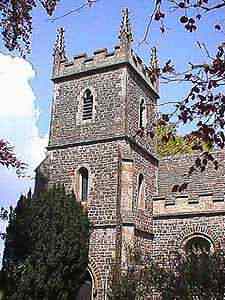
The Village of Little Sodbury has substantial historical associations. The manor house, with its quite outstanding 15th-century Great Hall, played host to Henry VIII and Anne Boleyn; and William Tyndale, the first man to translate the bible into English, was employed here as a tutor and chaplain in 1521 until his plans and ideas, compelled him to move abroad. Little Sodbury is know as a Thankful Village due to all their then members of the armed forces surviving World War I. |
St. Adeline's church at Little Sodbury - the only one in England to be dedicated to this saint. There are two possible explanations, either because the Norman lord of the manor came from an area in Normandy where there was a convent founded by the Saint; or because she was the patron saint of Flemish weavers who worked in the area. | |||||||||||||||||||||||||||||||||||||||||||||||||||||||||
|
||||||||||||||||||||||||||||||||||||||||||||||||||||||||||
Great Badminton The village of Great Badminton (Badminton) is located 6 miles east of Chipping Sodbury and 11 miles south-west of the Cotswold town of Tetbury. The name is particularly famous for the world class Badminton 3 Day Horse Trials held in Spring. The village sits on one of the most famous estates in Britain; the large estate of the Duke of Beaufort. The name 'Badminton' also evokes the image of the shuttlecock high net court game. The game was invented at Badminton House in 1870, the court's standard measurement being dictated by the dimensions of the house's large hall. Badminton Walking Route 4.5 miles approx 2.5 hoursWalk the Duke of Beaufort's estate, across a grassy airstrip and past castellated barns and cottages. For comprehensive walking guide see - www.escapetothecotswolds.org.uk/userfiles/file/walks/jubilee/badminton.pdf. Sherston Village Sherston is a very attractive village set in the north-west of Wiltshire. The large parish includes the hamlets of Pinkney, or Sherston Parva, to the north east, and Willesley and Knockdown on the northern boundary. The parish once extended further to the north and included Silk Wood, now part of the Westonbirt Arboretum in Gloucestershire. The village is about 5.5 miles from both Malmesbury and Tetbury. Sherston is famous for its Boules and Carnival Weekend in July. Westonbirt Arboretum Westonbirt Arboretum is 11 miles northwest of Chipping Sodbury and is one of the finest collection of trees and shrubs in Europe. Severn Valley Decorative and Fine Arts Society This is a friendly society of people who enjoy learning about all aspects of decorative and fine arts. They meet at Chipping Sodbury Town Hall on the third Monday in the month from October to June. For more information and programme of events see - www.svdfas.co.uk. Little Sodbury Walking Route 2.5 miles approx 2 hoursA short but fascinating walk taking you back to England in the Iron Age, For comprehensive walking guide see - www.escapetothecotswolds.org.uk/userfiles/file/walks/jubilee/little-sodbury-and-the-ploughboys-bible.pdf |
||||||||||||||||||||||||||||||||||||||||||||||||||||||||||
|
||||||||||||||||||||||||||||||||||||||||||||||||||||||||||
| BACK TO TOP | ||||||||||||||||||||||||||||||||||||||||||||||||||||||||||
The Sodburys Cotswolds England UK |
||||||||||||||||||||||||||||||||||||||||||||||||||||||||||
| This page last modified Thursday, 11-Feb-2021 13:23:59 CET | ||||||||||||||||||||||||||||||||||||||||||||||||||||||||||
Cotswolds.Info LLP, 6 Cedar Shade, All Saints Road, Sidmouth, Devon, England UK EX10 8EU Managing Partner, Richard Pinder, E-Mail richard.pinder@cotswolds.info
Please Note: We do not supply Cotswold Holiday brochures - contact the local Contact Us About Us Site Index Advertising Opportunities This website is designed and managed by www.cotswolds.info Copyright © 2002 to 2023 All rights reserved |
||||||||||||||||||||||||||||||||||||||||||||||||||||||||||
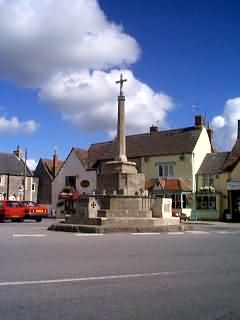
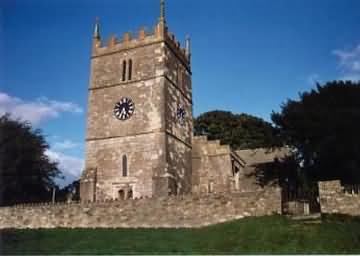 St
John the Baptist's Church at Old Sodbury
St
John the Baptist's Church at Old Sodbury