 |
| The Local Time is Monday, 29-Apr-2024 04:56:48 CEST |
Gloucester Tourist Information Guide |
|
|||
| YOU ARE HERE: Main Home Page > Places to Visit > Gloucester |

|
|
 |
|||||||||||||||||||||||||||||||||||||||||||||||||||||||||||
|
|||||||||||||||||||||||||||||||||||||||||||||||||||||||||||
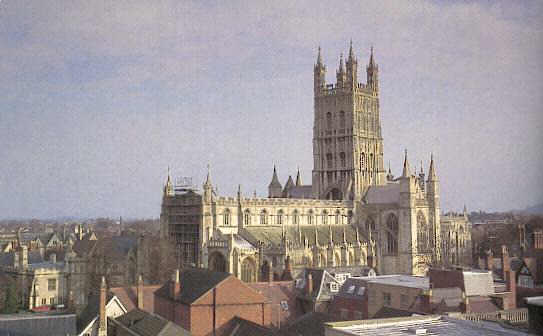
The City of Gloucester has a unique history from its Roman foundations to its Victorian docklands. Gloucester is a vibrant multicultural city that combines historic architecture with a unique blend of visitor attractions, festivals and entertainment, a collection of high street and specialist shops and a mouth watering array of tea shops, restaurants, wine bars and pubs offer food and drink for all tastes. The city is overlooked by the Cotswolds Hills in the lush Severn Valley and is easily accessible from all corners of the country. |
|||||||||||||||||||||||||||||||||||||||||||||||||||||||||||
|
|||||||||||||||||||||||||||||||||||||||||||||||||||||||||||
The port of Gloucester was of great historical importance. The Romans built a fort which was used for the transport of men and supplies between the Midlands and Wales. In 1580 Gloucester was granted the status of port by Queen Elizabeth 1. In 1794 a canal was constructed to Berkeley which opened up a link with the Stroud water and Thames canals so providing a direct route to the Midlands and London.
In its heyday the port of Gloucester was a major centre for the shipment of timber, corn, metals, wines and spirits and the elegant tall ships pictured in our photographs were a familiar sight. Today many of the historic warehouses have been converted and the docks with their museums, pubs and café's provide a major attraction for tourists. |
|||||||||||||||||||||||||||||||||||||||||||||||||||||||||||
ShoppingA healthy mixture of major stores and hundreds of independent and regional retailers, many of which are unique to Gloucester make the city an ideal place to shop. |
 |
||||||||||||||||||||||||||||||||||||||||||||||||||||||||||
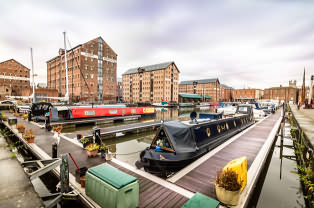 |
Historic DocksFifteen Victorian warehouses |
||||||||||||||||||||||||||||||||||||||||||||||||||||||||||
AttractionsGloucester Cathedral - The former abbey church founded 1300 years ago is now the cathedral church of the Gloucester Diocese. The architecture of the cathedral varies from the Norman nave with its massive columns to examples of Romanesque and early Perpendicular. Historic Gloucester Docks - Fifteen Victorian warehouses have been renovated and now house various museums, exhibitions and antiques centre. Gloucester Docks was the Filming location for feature film Amazing Grace (2007) starring Ioan Gruffudd, Michael Gambon and Rufus Sewell. Also the setting for 1970s TV series The Onedin Line. Tailor of Gloucester Beatrix Potter Museum and Shop in Gloucester. More info see Beatrix Potter. Brecon Mountain Steam Railway is 20 miles travel distance. |
|||||||||||||||||||||||||||||||||||||||||||||||||||||||||||
|
|||||||||||||||||||||||||||||||||||||||||||||||||||||||||||
Cathedral City of Gloucester England UK |
|||||||||||||||||||||||||||||||||||||||||||||||||||||||||||
| This page last modified Thursday, 11-Feb-2021 13:24:02 CET | |||||||||||||||||||||||||||||||||||||||||||||||||||||||||||
Cotswolds.Info LLP, 6 Cedar Shade, All Saints Road, Sidmouth, Devon, England UK EX10 8EU Managing Partner, Richard Pinder, E-Mail richard.pinder@cotswolds.info
Please Note: We do not supply Cotswold Holiday brochures - contact the local Contact Us About Us Site Index Advertising Opportunities This website is designed and managed by www.cotswolds.info Copyright © 2002 to 2023 All rights reserved |
|||||||||||||||||||||||||||||||||||||||||||||||||||||||||||