 |
| The Local Time is Sunday, 28-Apr-2024 13:54:06 CEST |
Painswick Town |
|
|||
| YOU ARE HERE: Main Home Page > Places to Visit > Painswick |

|
|
|
|

 |
|||||||||||||||||||||||||||||||||||||||||||||||||||||||||
|
|||||||||||||||||||||||||||||||||||||||||||||||||||||||||
|
|||||||||||||||||||||||||||||||||||||||||||||||||||||||||
Don't miss the two mile walk to Laurie Lee's Slad Valley and also a visit to the architectural masterpeice of the unfinished Woodchester Mansion. |
|||||||||||||||||||||||||||||||||||||||||||||||||||||||||
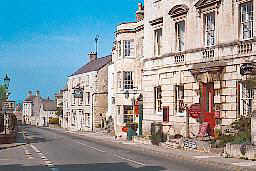
Painswick Court HousePainswick is all quiet elegance and quaint charm with some fine houses dating from the 14th-century - the tall chimneyed Court-House is associated with King Charles 1st, having stayed there during the English Civil War. Read - England's most famous ghost.
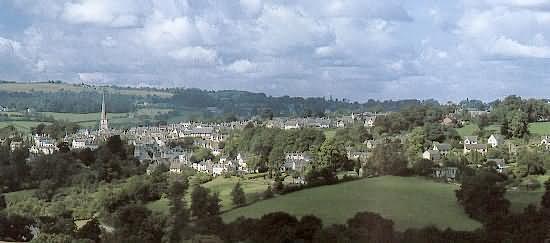
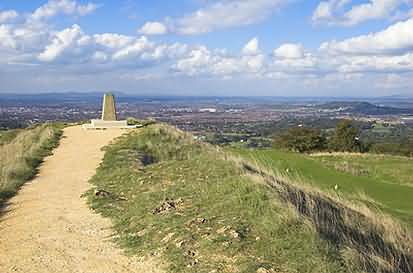
Painswick BeaconPainswick lies at high altitude but higher still is Painswick Beacon which affords excellent views of the magnificent Severn Valley and the clusters of nearby Cotswold towns and villages that inhabit the beautiful surrounding countryside.
|
|||||||||||||||||||||||||||||||||||||||||||||||||||||||||
Interesting FactBritain's oldest Bowling Green (over 400 years old), still in use to day, is located at the Falcon Inn in Painswick. The flat green in Painswick, was built in the 16th century at the back of the then newly built Falcon Inn. It was originally used for gentlemen to wind down after a day of hunting in the nearby Cotswold countryside. The lord of the manor who built it also had a cock fighting pit erected by its side. The Falcon Club, which now uses the green, dates back to the early 20th century. Members have included Tony Allcock, the 14 times world champion turned chief executive of the English Bowling Association. The sport can be traced back to the 13th century when it was known as the "casting of stones" but reached the height of its popularity in Elizabethan times. Sir Francis Drake famously refused to launch his attack on the Spanish Armada until he had finished a game of bowls in Plymouth. He was said to have remarked that there was plenty of time to finish the game and still beat the Spaniards. Such was the game's popularity that laws were brought in to forbid the peasantry from playing, for fear that it would detract from other sports, such as archery, thought important for battle. Statutes forbidding it and other sports were enacted in the reigns of Edward III, Richard II and other monarchs. Even when, with the invention of gunpowder and firearms, the bow fell into disuse as a weapon of war, the prohibition was continued. Bowling greens also became synonymous with vice, with many situated next to brothels. Only those with land worth more than £100 could obtain licences to build their own greens.
|
|||||||||||||||||||||||||||||||||||||||||||||||||||||||||
Art Couture Festival held in Painswick every JulyIt all started with a visit to New Zealand. A little village in the Montana area of New Zealand started running a Wearable Art Festival. Over several years, their enterprise has grown to a huge international festival attracting designers and artists from all over the world.
As well as featuring the artists who present their creations, the Festival also supports local businesses, offer opportunities for high quality arts and crafts makers to exhibit and sell their work, attract musicians and other performers who will provide entertainment for visitors, support selected charities directly, and provide a thoroughly enjoyable festival day for every one. Eventually the Festival organisers hope to have a permanent exhibition of the wonderful costumes that have been designed for the event. See Cotswolds.Info 'What's on Calendar' for actual Festival date and contact details. |
|||||||||||||||||||||||||||||||||||||||||||||||||||||||||
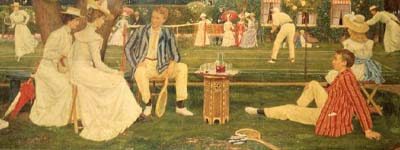
Other Interesting FactsIn 1944 the artist Charles Gere (and friend of William Morris) and his half-sister, Margaret, settled in Painswick and formed an offshoot of the Birmingham School of Artist-Craftsmen, many of whom are portrayed in his picture The Tennis Party.
Painswick Rugby Club, formed in 1872, is the oldest village rugby club in England. |
|||||||||||||||||||||||||||||||||||||||||||||||||||||||||
PAINSWICK MUSIC SOCIETY The Society was formed in 1946 and, since then, has arranged four chambermusic society concerts each Spring. The aims are to provide the opportunity to hear and enjoy chamber music of the highest quality, to provide a varied programme for the Spring season and to engage artists of a high standard. Only professional artists of a high calibre are engaged; however we also wish to encourage and engage young artists at the start of their careers. |
|||||||||||||||||||||||||||||||||||||||||||||||||||||||||
|
|||||||||||||||||||||||||||||||||||||||||||||||||||||||||
Painswick - Queen of the Cotswolds |
|||||||||||||||||||||||||||||||||||||||||||||||||||||||||
| This page last modified Thursday, 11-Feb-2021 13:24:08 CET | |||||||||||||||||||||||||||||||||||||||||||||||||||||||||
Cotswolds.Info LLP, 6 Cedar Shade, All Saints Road, Sidmouth, Devon, England UK EX10 8EU Managing Partner, Richard Pinder, E-Mail richard.pinder@cotswolds.info
Please Note: We do not supply Cotswold Holiday brochures - contact the local Contact Us About Us Site Index Advertising Opportunities This website is designed and managed by www.cotswolds.info Copyright © 2002 to 2023 All rights reserved |
|||||||||||||||||||||||||||||||||||||||||||||||||||||||||
 Painswick owed its prosperity to the Cotswold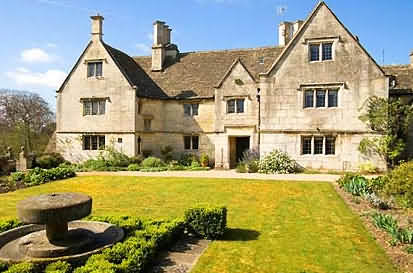
 So the Cotswold town of Painswick thought, why not do the same thing. The first year in 2010 was a great success, attracting about a thousand visitors. Just one year later, there were more than 80 entrants to the competition, and over 4,000 visitors on the day. The entries consistently reach an extremely high standard, and the whole day is thoroughly enjoyable. The festival is going to get even bigger and even better.