The Local Time is Saturday, 27-Apr-2024 07:33:46 CEST |
Moreton-in-Marsh Tourist Information & Travel Guide |
|
|||
| YOU ARE HERE: Home Page > Places to Visit > Moreton-in-Marsh |

|
|
|
|
|
|

 |
||||||||||||||||||||||||||||||||||||||||||||||||||||||||
|
||||||||||||||||||||||||||||||||||||||||||||||||||||||||
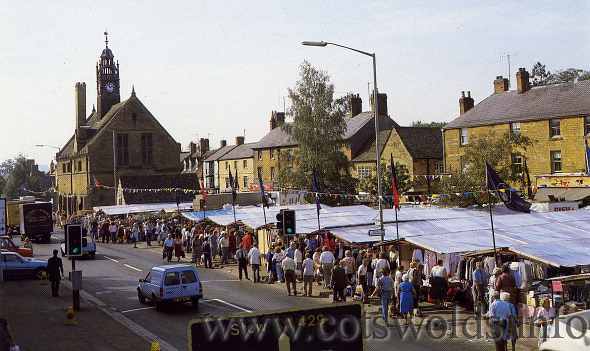
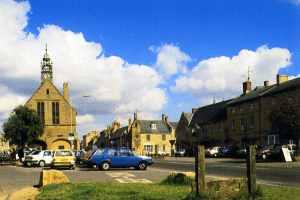
Moreton-in-Marsh Tourist Information & Travel Guide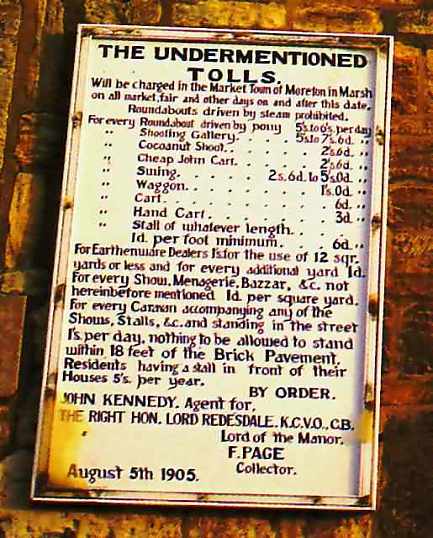 Moreton-in-Marsh is one of the principal market towns in the northern Cotswolds situated on the Fosse Way and now served by the main line railway from London Paddington. It grew up in the thirteenth century as a market town with a wide main street, narrow burgage plots and back lanes. There still is a busy Tuesday market with about 200 stalls attracting many visitors. See image of Tolls charged in 1905. The high street has many elegant eighteenth-century inns and houses including the Redesdale
Market Hall (seen in the above picture). This hall is at the centre of the town, a plaque on the building reads - The oldest building is likely to be the sixteenth-century Curfew tower on the High Street. Its bell was rung nightly until 1860 to remind people of the risk of fire at night. The Curfew Tower at the junction of High Street and Oxford Street dates from the 17th century, in daily use until 1860. It is said that it once guided home a Sir Robert Fry, lost in the fog, who gave money for its maintenance, in gratitude. The Parish church of St. David was originally a chapel of ease for Bourton-on-the-Hill and in 1858 was rebuilt in medieval style. Moreton-in-Marsh was founded on the Roman Fosse Way, later the traditional London to Worcester coaching route via Broadway. Two miles away in the hamlet of Dorn, many Roman remains have been found. It was transferred to the ownership of Westminster Abbey just before the Norman Conquest, the estate sold only in 1856 after a thousand years of church ownership.
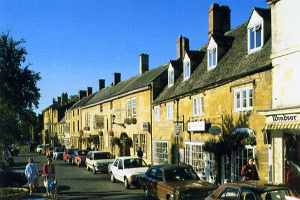
Moreton-in-Marsh was granted its market charter in 1227 and the well known Market is still held every Tuesday throughout the year. Many of the old buildings along the High Street date from the 17th and 18th centuries. The White Hart (Royal) Hotel was used by King Charles I as shelter during the English Civil War following the Battle of Marston Moor on July 2, 1644. A copy of the King’s unpaid bill is commemorated on a plaque within the entrance lobby. The Batsford Arboretum was planted by Lord Redesdale, one of the largest private collection of rare trees in England. Tolkien ConnectionsThe famous author J R R Tolkien is believed to have had connections with Moreton-in-Marsh - a pub in the town was presented with a special print by a branch of the J R R Tolkien Society.
Due to local government reorganisation in the 1970s, the boundaries of these counties have now been moved and only three shires - no longer including Worcestershire, whose boundary is now further west - currently intercept here. It is believed this stone was an inspiration for Tolkien's Three-Farthing Stone, a central point in the 'Shire' where three Farthings met. |
||||||||||||||||||||||||||||||||||||||||||||||||||||||||
|
||||||||||||||||||||||||||||||||||||||||||||||||||||||||
Pictures of Moreton-in-Marsh annual country show
|
||||||||||||||||||||||||||||||||||||||||||||||||||||||||
ATTRACTIONSGood shopping including antiques and the very popular Tuesday market. Several good eating places. Visiting Famous GardensThere are several famous gardens within 15 minutes car journey of Moreton-in-Marsh including Hidcote Manor, Snowshill Manor, Bourton House, Sezincote, Hidcote Manor, Kiftsgate Court and Batsford Arboretum. See - Cotswold Gardens and North Cotswold Gardens Map and Driving Directions. Places to Visit Nearby
|
||||||||||||||||||||||||||||||||||||||||||||||||||||||||
Dormer House School is an independent prep school in the heart of the Cotswolds, Gloucestershire. It is made up of a nursery and primary school, catering for boys and girls of all abilities from 2-11 years old. The school education offers a mix of traditional values and modern techniques where creativity and individuality are encouraged. Children and their families are supported by our highly qualified, caring team of staff. Browse this website for a taster of what we have to offer you. Feel free to get in touch for more information. Our contact details are below. We look forward to meeting you soon. Dormer House School, Moreton in Marsh, Gloucestershire, GL56 0AD |
||||||||||||||||||||||||||||||||||||||||||||||||||||||||
Moreton-in-Marsh TaxisCJP Cotswold Tours and Private Hire AJW's Private Hire - Any Time, Any Place, Any Where - Located in Broadway |
||||||||||||||||||||||||||||||||||||||||||||||||||||||||
|
||||||||||||||||||||||||||||||||||||||||||||||||||||||||
| BACK TO TOP | ||||||||||||||||||||||||||||||||||||||||||||||||||||||||
|
||||||||||||||||||||||||||||||||||||||||||||||||||||||||
The Market Town of Moreton-in-Marsh |
||||||||||||||||||||||||||||||||||||||||||||||||||||||||
| This page last modified Thursday, 11-Feb-2021 13:24:04 CET | ||||||||||||||||||||||||||||||||||||||||||||||||||||||||
Cotswolds.Info LLP, 6 Cedar Shade, All Saints Road, Sidmouth, Devon, England UK EX10 8EU Managing Partner, Richard Pinder, E-Mail richard.pinder@cotswolds.info
Please Note: We do not supply Cotswold Holiday brochures - contact the local Contact Us About Us Site Index Advertising Opportunities This website is designed and managed by www.cotswolds.info Copyright © 2002 to 2023 All rights reserved |
||||||||||||||||||||||||||||||||||||||||||||||||||||||||
 Moreton has been a traveller's town for at least 1700 years and was used as a coaching station before the coming of the Oxford to Worcester railway in 1853. There are several pubs, inns, hotels, tea shops, restaurants and accommodation in the form of B&Bs and holiday cottages in the immediate vicinity. A popular caravan site exists just on the outskirts of the town.
 Lord Redesdale lived at nearby
  Close to the town is the Four Shires Stone marking the historic meeting point of
 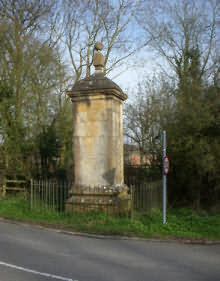 The Four Shire Stone is a 9 foot high pillar situated approximately two miles east of Moreton-in-Marsh on the A44 at the turn off to Great Wolford village. The 16th century pillar, made from Cotswold stone, marks the centuries old meeting place of four county shires: Gloucestershire, Warwickshire, Oxfordshire and Worcestershire.