The Local Time is Friday, 26-Apr-2024 04:54:14 CEST |
Broadway Tourist Information |
|
|||
| YOU ARE HERE: Home Page > Places to Visit > Broadway |

|
|
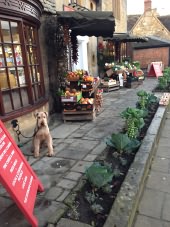 Broadway Deli now growing their own veg |
|
 |
|
|
|
 |
|
|
||||||||||||||||||||||||||||||||||||||||||||||||||||||||
Broadway the northern gateway to the beautiful North Cotswolds
The Cotswolds village of Broadway in the English county of Worcestershire is often referred to as the 'Jewel of the Cotswolds' and the 'Show Village of England' because of it's sheer beauty and magnificence. The 'broad way' leads from the foot of the western Cotswolds escarpment with a wide grass-fringed street lined with ancient honey coloured limestone buildings dating back to the 16th century and earlier (the oldest house is Abbots Grange built in 1320 as the summer retreat for the Abbots of Pershore). Broadway in the Cotswolds not to be confused with the oldest north-south main Broadway thoroughfare in New York City 15 miles long through Manhattan and The Bronx. There are, however, American connections with the colony of artists that settled in this village. Many well known characters have spent time in Broadway drawing inspiration from its beauty and location including Oscar Wilde, Claude Monet, Edwin Abbey, John Singer-Sargent, William Morris and Edward Elgar.
The full extent of Broadway's majesty is its wide street lined with a delightful mix of Tudor, Stuart and Georgian buildings. The village has one of the longest High Streets in England. The village's "broad way" (actually called High Street) lined with red chestnut trees, reflects the varied architectural history from grand Georgian buildings to ones of humbler though quaint beginnings that even reaches back, in places, to the Romans. 'furnished apartments are useful
to the artist, but a furnished country is even more so... This is the great recommendation
of Broadway: everything in it is convertible . . There is portraiture in the air and
composition in the very accidents. Everything is a subject or an effect....It is delicious
to be at Broadway and not have to draw.' In the 17th century Broadway village became a busy staging post on the route from Worcester to London as coaches had to harness extra horses for the long pull up Fish Hill. As many as 33 inns existed within the village to service the many travellers passing through - three exist today. FacilitiesBroadway has it all from several art galleries, gift and clothes shops to three inns, Italian restaurant, half-dozen tea shops, two hotels including the famous Lygon Arms, two brasseries and a wonderful Fish and Chip restaurant and take-away. Retail therapy combined with good food & drink and chilling-out makes Broadway a very popular place in the Cotswolds to stay and visit throughout the year.
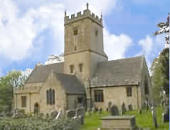
The Famous Broadway Colony of ArtistsThe village was the inspiration to a number of writers and artists (see Broadway Group) including Henry James, J.M.Barrie,Vaughan Williams, Elgar, John Singer Sargent, and William Morris of the Arts and Crafts movement. By the 1880's a small band of American artists headed by Francis Davis Millet discovered Broadway as a 'quaint reflection of a long ago country village'. Mary Anderson the American actress also lived in Broadway at Court Farm on the upper part of the High Street. Henry James (1843-1916, an expatriate American writer who settled in England and eventually became a British citizen) said: "Broadway and much of the land about it are in short the perfection of the old English rural tradition." Abbots Grange house (pretty much abandoned and deteriorating when Millet arrived) dating to the 14th century, is the oldest domestic building in the village and one of the oldest in the country. There are Tudor Houses dating from 1660's and along with parts of the Lygon Arms Hotel and St. Eadburgha's (grand daughter of King Alfred the Great) Church which has been a place of worship for almost 1000 years. The old church is one mile out on Snowshill Road.
Russell House would be the centre of attention and animation of the Broadway Group of Artists. This was actually the second home of the colony. They moved here in 1886 after having lived for a year at Farnham House (overlooking the village green). Russell House was quite a bit larger than Farnham House and both Abbey and John Singer Sargent partnered with the Millets for a seven year lease. Francis Millet died on the maiden voyage of the Titanic on 15th April 1912 and in tribute friends paid for a Lychgate at the entrance to the upper graveyard at St. Eadburgha's Church on Snowshill Road. The inscription is in Latin and translated reads:-
For more information about - Francis Millet Broadway Arts Festival
Activities in and around BroadwayClick link for - Map showing all attractions in and around Broadway Broadway Tower (1.5 miles South East of Broadway)Visit Broadway Tower at 1024 feet above sea level this is the second highest point in the Cotswolds. From the top of the tower is one of England's finest viewpoints with 14 English counties to be seen on a clear day. The park affords picnics and a good restaurant. There is a nice cross-country walk up the Cotswold escarpment from the village to the tower see Broadway Walking below. Gordon Russell Museum
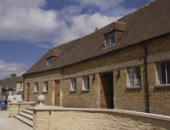
There is now a Museum, located in the original grade II listed workshop, celebrating the work of the renowned 20th century designer and manufacturer. Broadway Museum and Art GalleryThe Broadway Museum opened in 2013 being the only partnership museum in the UK of the famous You will find displays of furniture, objects, paintings and textiles from the Ashmolean’s reserve collections, as well as works from the private collection of the Keil family, will go on display in six rooms of the beautiful Tudor House. There will also be a gallery space dedicated to rotating exhibitions of works by local artists. For further information see - Broadway Museum and Art Gallery. Visiting Famous Gardens There are several famous gardens within 15 minutes car journey of Broadway including Hidcote Manor, Snowshill Manor, Bourton House, Sezincote, Hidcote Manor, Kiftsgate Court and Batsford Arboretum. Touring by Car
Broadway is centrally situated for visiting such Tourist Attractions as Warwick Castle, Stratford-upon-Avon, Snowshill Manor, Chastleton House, Worcester Cathedral, and the ancient villages and market towns including Chipping Campden, Stow-on-the-Wold, Bourton-on-the-Water, Moreton-in-Marsh, Upper and Lower Slaughter, Snowshill, Stanton and Winchcombe. Romantic Road - See - Romantic Road Route from Broadway Walking The area is a country walkers paradise and only a few minutes
Routes of all these local walks and more can be found from the small yellow book 'Country Walks around Broadway' available from the newsagents shop on the village high street. Horse RidingAt the village of Stanton (7 minutes away by car). CyclingBroadway is situated on the edge of the Vale of Evesham and at the bottom of the Cotswold escarpment which is ideal for flat easy cycling. Explore the country lanes and visit villages such as Buckland, Laverton, Stanton, Stanway, Willersey, and Weston Subedge. You could of course in preference attempt 'Fish Hill' - one of the steepest and longest hills in England leading up the escarpment. PromenadingEnjoying the slower pace of life and indulging in the English passion for tea and cream cakes in the several tea shops whilst soaking up the ambience of the 16th and 17th centuries. Broadway has one of the longest village High Streets in the UK and takes in the lower high street with shops, restaurants and tea shops and the upper high street with the beautiful mixture of ancient small cottages and rather larger grand houses. A favourite promenade is to walk the extent of the street taking in the natural beauty of the architecture combined with glorious gardens. Broadway Bowling Club Broadway has one of the best bowling greens in Worcestershire. Visitors and New Members are welcome. North Cotswolds HuntBroadway is the home of the North Cotswolds Hunt. See video of the traditional Boxing Day Meet that attracts many visitors to the village - normally sets off down the High Street around 11.00am. Activity Park for all agesThe park offers state-of-the-art facilities for children and adults of all ages, connected by soft-edged pathways with trees, shrubs and rocks. Visitors to the activity park can expect to find facilities including:
The activity park is located towards the top of the main high street set behind high street shops and houses. Willersey is a neighbouring pretty village only one mile away and has a C of E Primary school. Places to see a few miles around Broadway
Further InterestPictures
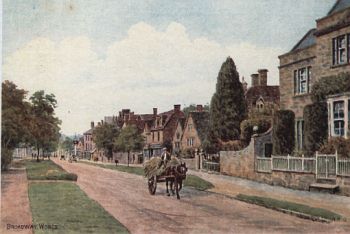
of the heavy snowfall in the village of Broadway Blogs of an American living in Broadway Read the World War II stories of a young boy living in Broadway 18th Century Pictures of Broadway - Little has changed
These two paintings of Broadway about 150 years ago illustrate the timeless
quality
Visiting Coaches & Car ParkingCoach Drop off Points Coach Parking Important MedicalDoctors at Barn Close Surgery, High street. W: www.barnclose.co.uk |
||||||||||||||||||||||||||||||||||||||||||||||||||||||||
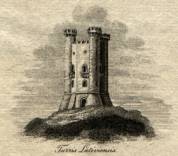
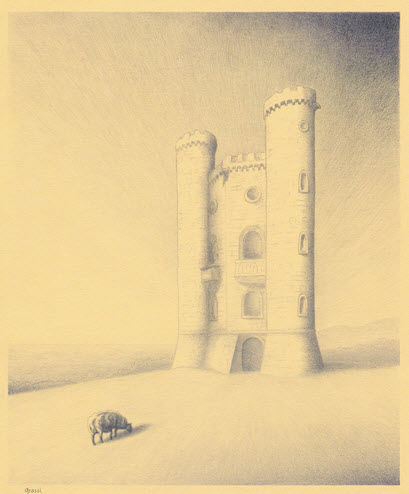 Pencil Sketch of Broadway Tower by Richard Grassi |
||||||||||||||||||||||||||||||||||||||||||||||||||||||||
Broadway Taxis and Private Car HireCJP Cotswold Tours and Private Hire
|
||||||||||||||||||||||||||||||||||||||||||||||||||||||||
| BACK TO TOP | ||||||||||||||||||||||||||||||||||||||||||||||||||||||||
|
||||||||||||||||||||||||||||||||||||||||||||||||||||||||
Broadway Tourist Information Guide |
||||||||||||||||||||||||||||||||||||||||||||||||||||||||
Cotswolds.Info LLP, 6 Cedar Shade, All Saints Road, Sidmouth, Devon, England UK EX10 8EU Managing Partner, Richard Pinder, Tel 01395 744217 E-Mail richard.pinder@cotswolds.info
Please Note: We do not supply Cotswold Holiday brochures - contact the local Contact Us About Us Site Index Advertising Opportunities This website is designed and managed by www.cotswolds.info Copyright © 2005 to 2019 All rights reserved |
||||||||||||||||||||||||||||||||||||||||||||||||||||||||
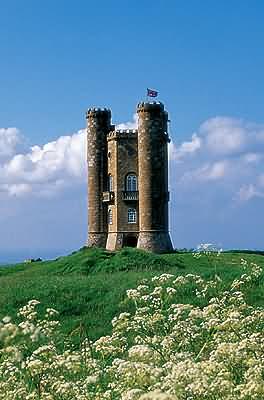 The village is nestled at the foot of
Fish Hill (where apparently monks used to store fish and the 18th
century ‘Fish Inn’ once stood). Broadway Tower (sometimes
also referred to as Beacon or Fish Inn Tower) is 65ft high and
stands atop the hill overlooking the village. A much loved retreat
for the
The village is nestled at the foot of
Fish Hill (where apparently monks used to store fish and the 18th
century ‘Fish Inn’ once stood). Broadway Tower (sometimes
also referred to as Beacon or Fish Inn Tower) is 65ft high and
stands atop the hill overlooking the village. A much loved retreat
for the 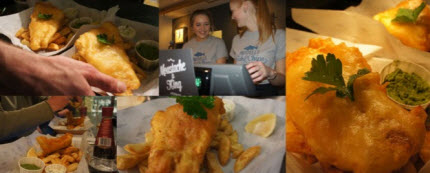
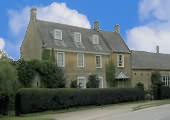 A legacy of the Broadway Artists Colony is the village uniquely has several of the country's best art galleries, which can be all too tempting at times!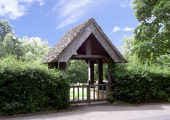
 On the back of Broadway's strong art connections the village hosts a biennial Broadway Arts Festival held in June and lasting for two weeks - for further
 Sir
Sir 
 There are several excellent cross-country walks around Broadway including the following:-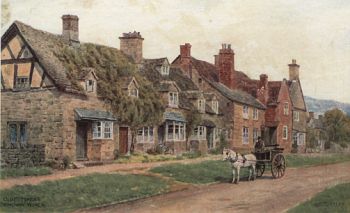



)
)